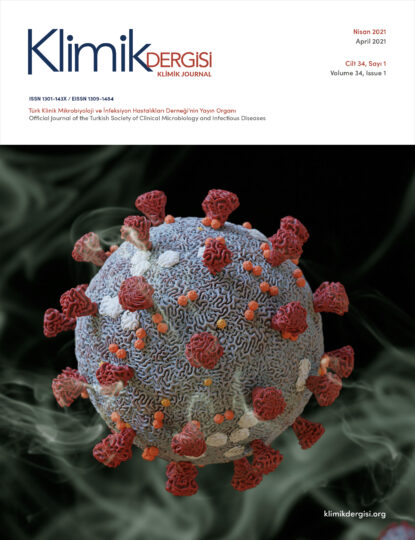
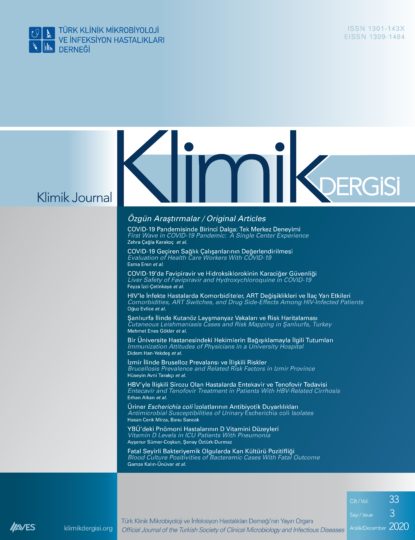
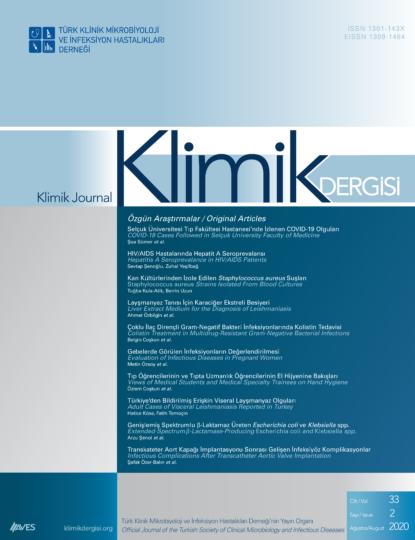
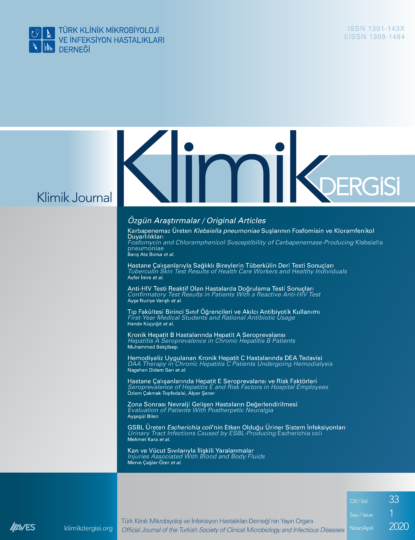
Most Read
Abstract
Professional medical societies function not only as organizers of scientific activities but also as institutions that sustain scientific thinking, professional ethics, and institutional memory. Drawing on the experience of serving on the executive board of the Turkish Society of Clinical Microbiology and Infectious Diseases (KLİMİK) between 2011 and 2025, this article examines how a professional society can transform the principle of refusing to settle for mediocrity into a defining institutional characteristic. Within this framework, the article discusses experiences related to working groups, the education and professional development of early-career physicians, digital transformation, science communication, open-access publishing, national and international collaborations, and scientific publishing. It also evaluates the challenges facing academic processes in Türkiye, particularly with regard to meritocracy, high-quality scientific output, and the training of future generations. In this context, the KLİMİK experience offers a model of institutional development that may be applicable to other professional societies. In such organizations, maintaining and advancing scientific quality depend less on individual efforts than on a long-term vision, the capacity for self-criticism, and the adoption of a learning organization approach.
Keywords: KLİMİK, ESCMID, infectious diseases, clinical microbiology, professional societies, institutional development, scientific output, metacognitive approach, leadership, science communication, open-access publishing
-
This work is licensed under a Creative Commons Attribution-NonCommercial 4.0 International License (CC BY-NC 4.0).