Most Read
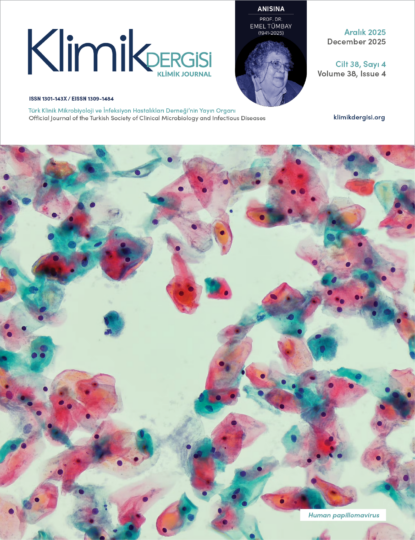
Abstract
Objective: Human papillomavirus (HPV) is a common sexually transmitted infection. Most sexually active individuals encounter the virus at some point in their lives, usually without symptoms. This study aimed to determine the prevalence of HPV and to describe the distribution of HPV genotypes in cervical swab samples.
Methods: This retrospective study evaluated cervical swab samples from 8825 women who underwent HPV DNA testing between January 2019 and December 2024. Viral DNA extraction was performed using the QIAsymphony DSP Virus/Pathogen Kit, and genotyping was conducted with the QIAscreen HPV PCR test kit on a Rotor-Gene Q real-time PCR system. HPV-16, HPV-18, and 13 additional high-risk genotypes were assessed. HPV positivity was defined according to cycle threshold (Ct) values. Statistical analyses were performed using SPSS version 22.0, with p<0.05 considered significant.
Results: HPV DNA was detected in 1271 women (14.4%). The most common genotypes were “other HPV” (50%; n=636) and HPV-16 (36.2%; n=460). HPV-18 and combined infections (HPV-16 + other HPV, HPV-18 + other HPV, HPV-16 + HPV-18) were less frequent. Genotype distribution varied significantly by year (p<0.001); “other HPV” types predominated in most years, whereas HPV-16 was the most common type in 2020. HPV DNA–positive cases were most frequently observed among women aged 36–45 years (31.2%) and least frequently among those aged 56–65 years.
Conclusion: The prevalence of HPV in this study was 14.4%, with “other HPV” and HPV-16 identified as the most common genotypes. These findings highlight the need to strengthen HPV vaccination and screening strategies based on local epidemiological patterns. In the absence of a national HPV vaccination program in Türkiye, increasing public awareness and incorporating HPV vaccination into the national immunization schedule are of particular importance.
-
This work is licensed under a Creative Commons Attribution-Non Commercial 4.0 International License.